
Give Cows the Right Start with Revidral Ace

Give Cows the Right Start with Revidral Ace

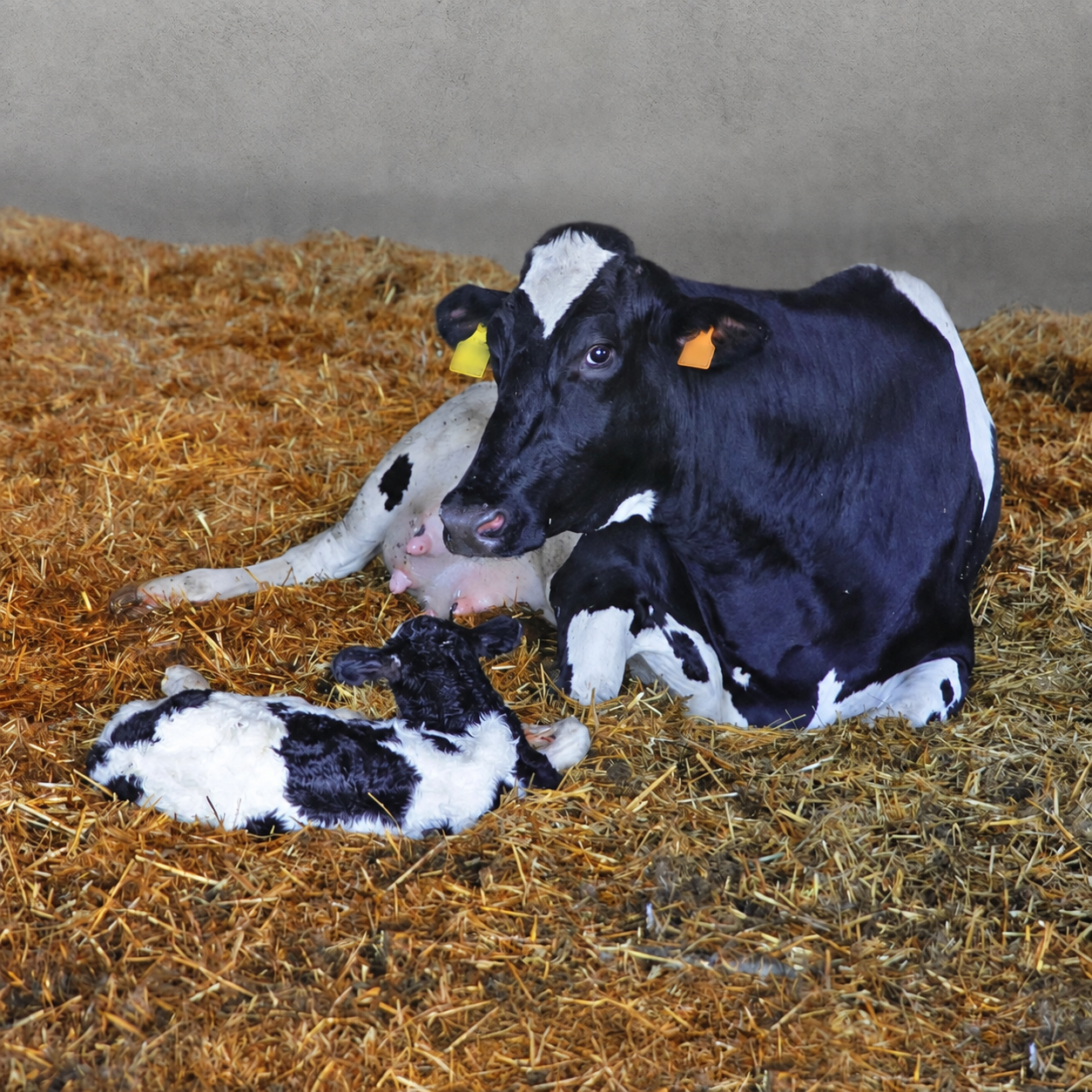
The period immediately after calving is one of the most demanding stages in a dairy cow’s production cycle. With the sudden transition into lactation, cows face increased nutritional demands — making effective post-calving support an important part of a successful transition management programme.

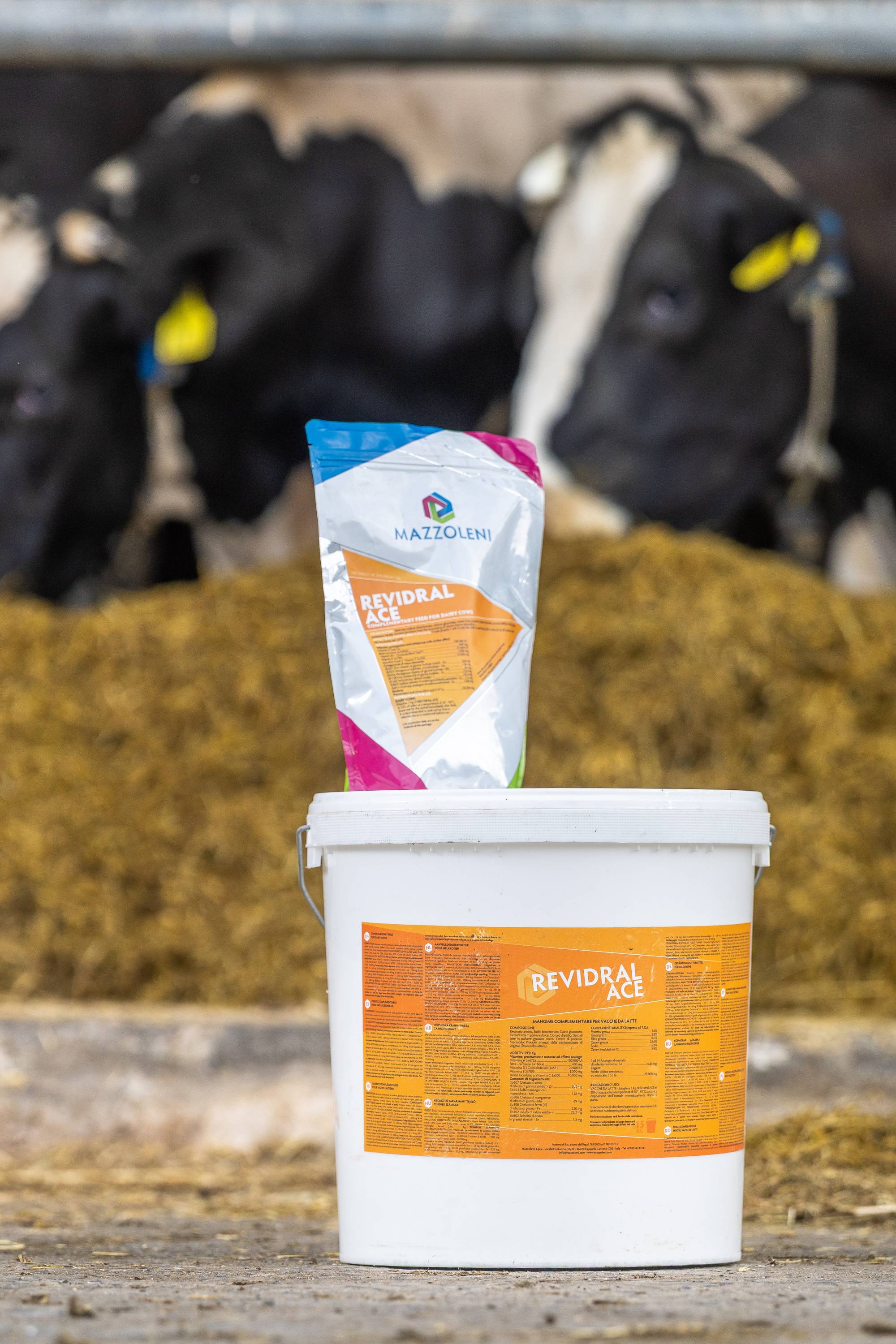
Offering Revidral Ace after calving provides energy, calcium, electrolytes, vitamins and trace elements to rehydrate cows effectively and encourage feed intake. Mix 1 kg of Revidral Ace powder with 20 litres of warm water (30-40°C) and offer to the cow as soon as possible after calving.

Revidral Ace is targeted at the main challenges a calved cow faces: dehydration, reduced dry matter intake and a sudden increase in calcium requirement.
7C3A5286

Dry matter intake

The significant metabolic changes and dehydration that occur around calving can lead to a substantial reduction in dry matter intake (DMI). During early lactation cows typically enter a period of negative energy balance due to the rapid increase in energy requirements for milk production. It is essential to maximise DMI to provide an adequate supply of energy which in turn minimises the risk of ketosis and other metabolic and production-related disorders. Revidral Ace supports the cow to get up and feed which will increase DMI for a healthier lactation. Revidral Ace also contains additional energy for the cow and substrate to regenerate the rumen microbe population.

Calcium

Following calving, the cow’s demand for calcium increases dramatically as colostrum and milk production begin. Blood calcium levels can fall rapidly, prompting the cow to compensate by mobilising calcium from her bones and increasing calcium absorption from her post-calving diet. However, it can take 24-48  hours for calcium mobilisation to reach maximum speed leaving cows at risk of milk fever in the first few days post-calving.

Clinical milk fever is relatively easy to identify, with affected cows displaying the characteristic signs of a ‘downer cow’. However, subclinical milk fever often presents no visible symptoms, making it much more difficult to detect. It is estimated that for every case of clinical milk fever, there may be 4–6 cases of subclinical milk fever. Despite the absence of obvious signs, subclinical milk fever can have significant consequences, increasing the risk of other calving-related conditions, including retained placenta, displaced abomasum and mastitis.

Revidral Ace contains 25.2 mg of highly bioavailable calcium to help bridge the calcium deficit while the cow is mobilising her own reserves.

Fresh Cows

Good post-calving management starts with preparation, observation and timely nutritional support. Revidral ACE can form part of a structured fresh-cow management programme, alongside appropriate feeding, hydration, monitoring and veterinary advice where required.

For more information on Revidral Ace and how it can support your cows after calving, speak to your vet or contact the Mazzoleni Ireland nutrition team.